Introduction
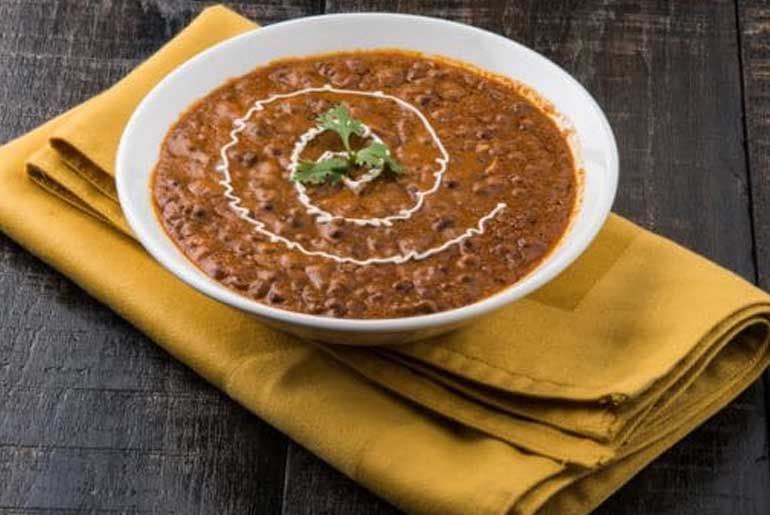
Daal Makhni, a beloved dish originating from the heartland of India, has captivated food enthusiasts with its rich, creamy texture and aromatic flavors. This iconic lentil preparation, simmered with a medley of spices and finished with a touch of butter and cream, is a testament to the culinary excellence of Indian cuisine. Join us as we embark on a flavorful journey, exploring the origins, unraveling the secrets behind its preparation, and discovering why Daal Makhni has become an enduring favorite on tables around the world.
A Melange of Lentils
At the core of Daal Makhni lies a harmonious blend of whole black lentils (urad dal) and red kidney beans (rajma). These lentils are soaked, cooked to perfection, and then simmered for hours, resulting in a dish with a luscious, velvety texture. The slow-cooking process allows the flavors to meld, creating a depth and richness that is truly unparalleled.
The Makhni Magic
What sets Daal Makhni apart is the indulgent touch of “makhni,” which translates to “buttery.” Traditionally, a generous amount of butter is added to the simmering lentils, infusing them with a luxurious richness. To enhance the creamy profile, a dollop of cream is often stirred in towards the end of the cooking process. This combination of butter and cream elevates the dish to new heights, adding a smoothness and decadence that delights the senses.
A Symphony of Spices
The flavor profile of Daal Makhni is a testament to the artistry of Indian spices. A harmonious blend of aromatics such as garlic, ginger, and onions forms the foundation of the dish. A selection of spices like cumin, coriander, turmeric, and garam masala are added, infusing the lentils with a tantalizing combination of earthy, warm, and fragrant notes. The spices not only enhance the taste but also offer a myriad of health benefits, making Daal Makhni a nourishing and delicious choice.
Slow-Cooking
Patience Rewarded: One of the secrets to achieving the signature flavor and texture of Daal Makhni lies in the slow-cooking process. By simmering the lentils over a low flame for an extended period, the lentils absorb the flavors of the spices, creating a harmonious marriage of taste and texture. The slow cooking allows the lentils to break down and release their natural starches, contributing to the creaminess that defines this dish.
A Timeless Classic
Daal Makhni has stood the test of time and remains a staple in Indian households, as well as a popular choice in Indian restaurants worldwide. It’s a dish that transcends borders and brings people together through its universal appeal. Whether enjoyed with fragrant basmati rice, naan bread, or roti, Daal Makhni embodies comfort and satisfaction, taking diners on a culinary journey that satisfies both the palate and the soul.
Conclusion:
Daal Makhni, with its velvety texture, rich flavors, and aromatic spices, stands as a shining example of the culinary brilliance of Indian cuisine. Its irresistible allure lies in the delicate balance of lentils, spices, and the indulgent touch of butter and cream. As you savor each spoonful of this delectable dish, you embark on a culinary adventure that embraces tradition, fosters a sense of togetherness, and leaves a lasting impression of the diverse and captivating world of Indian flavors. So, indulge in the symphony of taste that is Daal Makhni, and let its exquisite essence transport you to the heart of India’s culinary heritage.