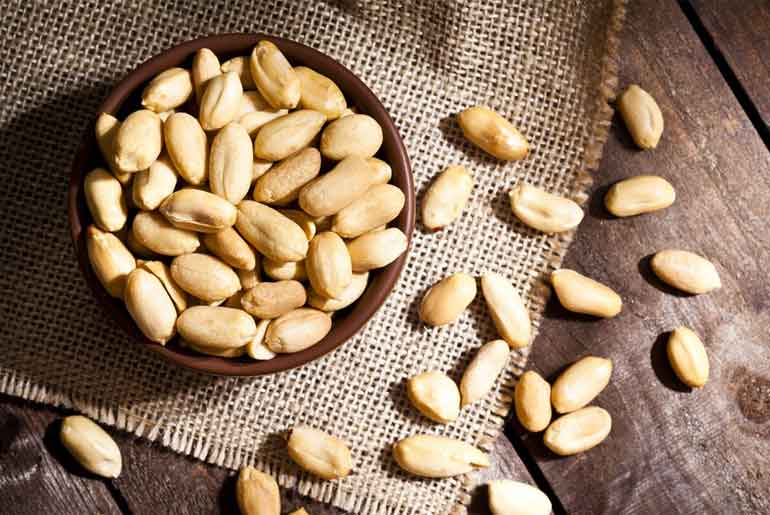
Losing weight is indeed a combination of both diet and exercise, and maintaining a balanced diet is a crucial aspect of the weight loss journey. While many people focus on intense workouts, it’s equally important to pay attention to what you eat. One excellent snacking option for those looking to shed pounds is peanuts. Despite being relatively high in calories, peanuts are beneficial for weight loss due to their rich fiber and protein content. These nutrients help keep you feeling full for longer periods, reducing the temptation for unhealthy, high-calorie snacks. To incorporate peanuts into your weight loss plan, you can enjoy them in moderation as a healthy snack or add them to salads and meals to increase satiety and support your weight loss goals. Remember that a well-rounded approach to weight loss, involving both diet and physical activity, is the most effective path to achieving desired results.
peanuts good for weight loss:
Peanuts, in particular, are a nutrient-rich choice, containing fiber, protein, and heart-healthy fats, all of which contribute to effective calorie management and aid in weight loss. While peanuts are relatively calorie-dense, their satiety-inducing qualities can help control overall calorie intake. Additionally, the act of chewing peanuts may result in them being broken into smaller, less absorbable pieces, potentially leading to the consumption of fewer calories. This makes peanuts a smart addition to a weight loss diet, offering both nutrition and a sense of fullness, thereby assisting in calorie control and weight management.
Healthy fats:
Peanuts are a nutritional powerhouse due to their rich content of healthy monounsaturated fatty acids (MUFAs) and polyunsaturated fatty acids (PUFAs). These fats have been associated with a range of health benefits, including the reduction of inflammation, support in obesity management, and a lower risk of heart disease and diabetes. Furthermore, studies have shown that the fat content in nuts, like peanuts, can enhance the body’s capacity to utilize stored fat as an energy source. This makes peanuts a valuable addition to a health-conscious diet, offering not only nutritional value but also potential benefits for weight management and overall well-being.
Boost metabolism:
Peanuts are indeed an excellent source of energy due to their balanced combination of macronutrients, including healthy fats, protein, and carbohydrates. This nutritional profile can provide a sustained release of energy, which, in turn, can boost metabolism. A higher metabolic rate means your body burns more calories, both at rest and during physical activity, ultimately contributing to weight loss. Therefore, incorporating peanuts into your diet can be a valuable strategy for increasing energy levels and supporting your weight loss goals by enhancing calorie expenditure.
Add peanuts in your diet:
Experts recommend various ways to consume peanuts for maximum health benefits. Peanuts are best enjoyed in their raw, roasted, or boiled form, as these methods help retain their nutritional value. Additionally, they can be incorporated into your diet as peanut butter, peanut oil, roasted peanuts, or peanut dip, allowing for versatile and tasty options.
To make the most of their nutritional content, you can add peanuts to protein-rich foods such as grilled chicken, tofu, or paneer, which can further enhance your meal’s nutritional profile and flavor. Moreover, including peanuts in salads can be a delicious and healthy way to incorporate them into your diet, ensuring you obtain the desired results for your overall well-being and weight management.
Peanut Butter and Weight Loss:
Peanut butter is a popular and satisfying option that can help you stay full for longer due to its combination of fats, protein, and fiber. One of its advantages is its low glycemic index, which means it has a gradual effect on blood sugar levels, helping to maintain steady energy throughout the day without causing sharp spikes and crashes.
When incorporating peanut butter into your diet, it’s advisable to choose organic options with minimal sodium and added sugar for the most effective results. As with many foods, moderation is key. For a balanced approach, it’s recommended to consume 2-3 teaspoons of peanut butter two to three times a week. This not only allows you to enjoy the benefits of peanut butter but also keeps your overall calorie intake in check, contributing to your weight management and well-being goals.