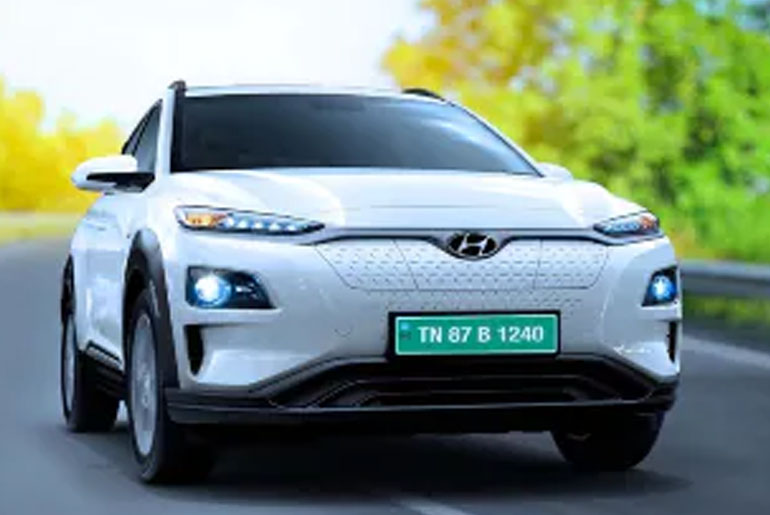
Hyundai’s $2.45 billion investment in Tamil Nadu, India, is part of the company’s strategy to bolster its electric vehicle (EV) production in the country. Hyundai aims to become one of the world’s top three EV manufacturers by 2030 and is investing heavily in research and development, building new plants and platforms, and expanding its EV lines and production capacity.
In 2022, Hyundai delivered 510,000 EV units, ranking it as the sixth top-selling EV carmaker according to SNE Research. While Hyundai’s sales volume is significant, it still lags behind leading EV manufacturers like BYD and Tesla. China remains the dominant player in the global EV market, producing nearly two-thirds of all battery EVs in 2022 and accounting for a significant portion of global EV sales.
Hyundai’s CEO, Jaehoon Chang, expressed the company’s aspiration to make an impact in China’s automotive market, but its exposure in China is currently limited. Hyundai is exploring ways to regain competitiveness in China, focusing on optimizing operational capacity and developing a product portfolio that appeals to local customers.
The investment in Tamil Nadu involves increasing the capacity of Hyundai’s factory near Chennai to 850,000 vehicles per year, establishing a battery pack assembly unit with an annual capacity of 178,000 units, and installing 100 EV charging stations across the state. The investment aligns with the Indian government’s efforts to promote local manufacturing by raising taxes on imported vehicles.
Additionally, Hyundai’s Singapore assembly plant in Jurong is set to start producing the electric Ioniq 5, Ioniq 6, and new Kona Electric models. The company aims to become the number one EV brand in Singapore, where Tesla currently holds that position.
While China currently leads the global EV market, there is still significant potential for other markets, including India and Southeast Asia, to catch up. Government support, such as subsidies and tax incentives, has played a crucial role in China’s EV dominance. As other countries implement similar policies and invest in EV infrastructure, the competition in the global EV market is expected to intensify.